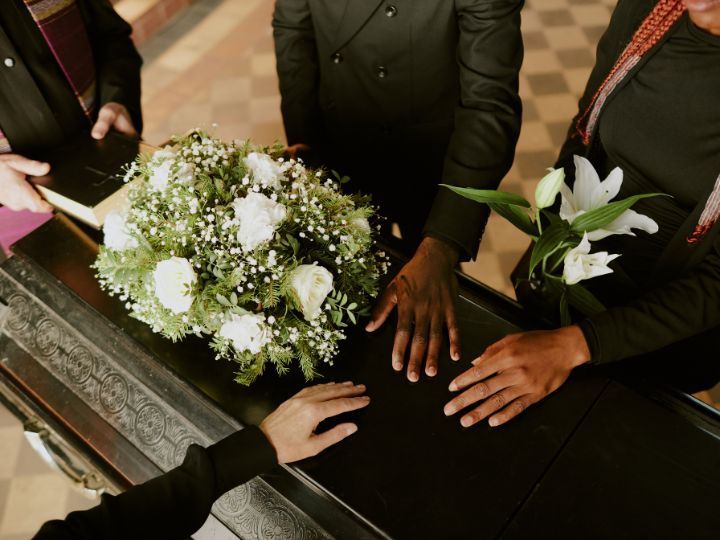
Funeral Etiquette: How to Support Grieving Families
Losing someone we love is never easy, and knowing how to show up for a grieving family can feel just as hard. Do you send flowers or a card? What do you wear? What do you even say when words don't seem like enough? These are the kinds of questions we hear often at Destiny Funeral Home & Crematory, and they're completely normal to ask.
Funeral etiquette isn't about following a strict rulebook. It's about honoring the family's funeral rites and traditions while offering comfort in a way that feels genuine. When you understand the basics, you can walk into a service with confidence, knowing you're supporting the family instead of adding to their stress during an already difficult time.
Why Funeral Etiquette Matters
Grief is deeply personal, and so is the way a family chooses to honor their loved one. Some services are quiet and traditional. Others are vibrant celebrations of life filled with music, stories, and laughter. Funeral etiquette matters because it helps you read the room, respect the family's wishes, and show up in a way that feels supportive rather than intrusive.
Think of etiquette less as a set of rigid rules and more as a form of kindness. Small gestures, arriving on time, dressing appropriately, offering a sincere word of comfort, can mean the world to a family who is hurting. It shows them they aren't grieving alone.
What to Wear: Dressing with Respect
Clothing is often the first thing people worry about, and for good reason. What you wear is a visible sign of respect for the family and the occasion.
- When in doubt, dress conservatively. Dark, muted colors like black, navy, or gray are traditionally appropriate, though many modern services welcome softer tones as well.
- Check for specific requests. Some families, especially those hosting a celebration of life, may ask guests to wear a favorite color or a specific theme in honor of their loved one. If so, follow their lead. That request is part of how they want to celebrate their person, and honoring it is a meaningful way to participate.
- Keep it modest and comfortable. Avoid flashy accessories, strong perfumes or colognes, and casual wear like shorts or flip-flops unless the family has indicated otherwise.
- When unsure, ask. A quick question to a family member or the funeral home is always better than guessing.
Expressing Condolences: Finding the Right Words
So many people worry about saying "the wrong thing" that they end up saying nothing at all, and that silence can feel isolating to a grieving family. The truth is, you don't need the perfect words. You just need sincere ones.
Simple, heartfelt phrases go a long way:
- "I'm so sorry for your loss."
- "[Name] meant so much to so many people."
- "I'm here for you, whatever you need."
- "I don't have the right words, but I'm thinking of you."
Avoid clichés that can unintentionally minimize someone's pain, phrases like "everything happens for a reason" or "they're in a better place" may not land the way you intend, even when meant kindly. Instead, focus on genuine presence. A hug, a handwritten card, or simply sitting with someone in silence can offer more comfort than any perfectly crafted sentence.
Navigating Small Talk with Grieving Family Members
Funerals and visitations often involve a receiving line or a period of mingling, and this is where many people feel most unsure of themselves. Here are a few gentle guidelines to keep in mind:
- Keep it brief. The family will be greeting many guests, so a short, warm exchange is often more appreciated than a long conversation.
- Let them lead. Some family members want to share memories and stories. Others may only have the energy for a quiet nod and a hug. Follow their cues.
- Avoid asking about the details of the death , especially if the circumstances were sudden or difficult. This isn't the time for questions; it's a time for support.
- Share a memory if you have one. A brief, positive story about their loved one can be a meaningful gift, reminding the family of the life that was lived, not just the loss.
- It's okay to simply say, "I don't know what to say, but I'm so glad I got to know [Name]." Honesty is always welcome.
Above all, patience and presence matter more than perfect words. Just being there speaks volumes.
The Role of a Funeral Director in Supporting Families
While friends and family provide emotional support, a funeral director provides something equally important: steady, experienced guidance through every detail of the service.
At Destiny Funeral Home & Crematory, our funeral directors work closely with each family to plan a service that reflects their loved one's life, values, and wishes, whether that's a traditional service, a cremation with personalized touches, or a celebration of life. We help coordinate everything from paperwork and permits to flowers, obituary notices, and the flow of the service itself, so families can focus on what matters most: being present with one another.
Having an experienced funeral director also helps guests navigate etiquette with more ease. Directors often set a respectful tone, offer gentle guidance on service format, and create a space where both the family and their guests feel comfortable and supported.
Supporting a Grieving Family Is an Ongoing Gift
Etiquette during the funeral itself is important, but support shouldn't end when the service does. Grief doesn't follow a schedule. A phone call, a card, or an offer to bring dinner weeks after the service can mean just as much, sometimes more, than anything said on the day itself.
If you're preparing to attend a service or looking for guidance on how to support a grieving family, our team at Destiny Funeral Home & Crematory is always here to help. We proudly serve Long Beach and the surrounding communities with compassion, dignity, and respect, guiding families and their loved ones through every step of the process.
Reach out to us today to learn more about our services, or explore our grief resources for additional support.