What to Expect from a Traditional Funeral Service
Losing someone you love is never easy. And when it comes time to plan a funeral, it can feel overwhelming — especially if you've never been through the process before. Understanding what a traditional funeral service looks like from start to finish can ease some of that uncertainty and help your family feel more prepared during an incredibly difficult time.
So, what is a traditional funeral? Simply put, it's a structured farewell that typically includes a viewing or visitation, a formal funeral service, and a graveside or committal service. It's the most widely recognized way families honor a loved one who has passed, and for good reason — it gives everyone the time and space they need to say goodbye, gather together, and begin healing.
What Does a Traditional Funeral Service Include?
While every service is as unique as the person being remembered, a traditional funeral generally follows a familiar structure. Here's what you can expect:
Step 1: First Call and Arrangements
Everything begins when the funeral home is contacted following a death. A funeral director will guide the family through the initial steps — gathering vital information, discussing service options, and helping make decisions about burial, merchandise like caskets, flowers, and any personalization details. This meeting is a chance to share who your loved one was, so the service can truly reflect their life.
Step 2: Preparation of the Deceased
Once arrangements are confirmed, the funeral home takes care of preparing the body. This includes embalming (if the family chooses a viewing), dressing, and cosmetology so that your loved one looks peaceful and natural for the visitation.
Step 3: Visitation or Viewing
The visitation is a dedicated time for family and close friends to gather, pay their respects, and support one another. It's often held the evening before the funeral service, though some families choose to combine the two on the same day. This is a meaningful moment — quiet, personal, and often more intimate than the formal service that follows. Families can personalize this time with photos, tribute videos, meaningful keepsakes, or displays that represent who their loved one was.
Step 4: The Funeral Service
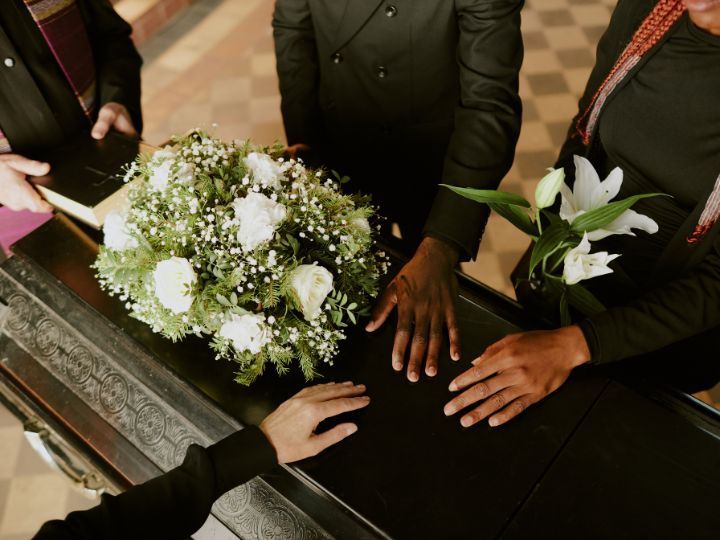
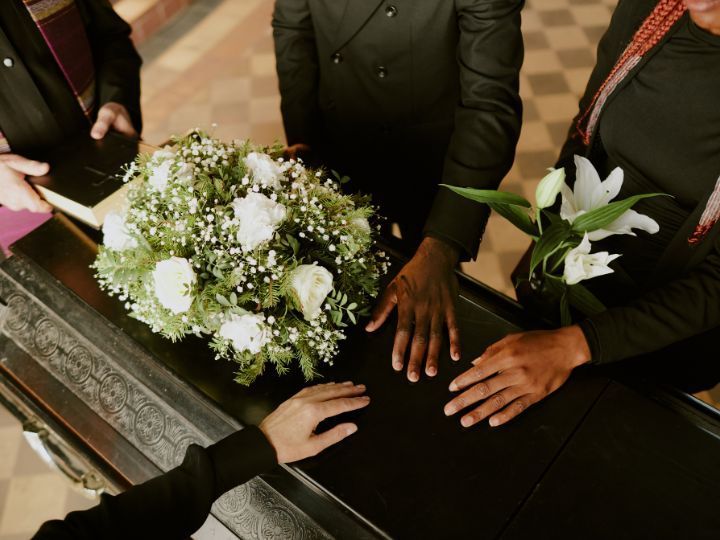
The funeral service itself can be held at the funeral home's chapel, a church, or another venue that holds significance for the family. This is the heart of the traditional funeral — a time for eulogies, music, scripture readings, or life stories shared by those who knew the deceased best. Some families work with clergy, while others choose a life celebrant who is specially trained to lead a meaningful, personalized ceremony for families of any background or belief.
Step 5: The Processional
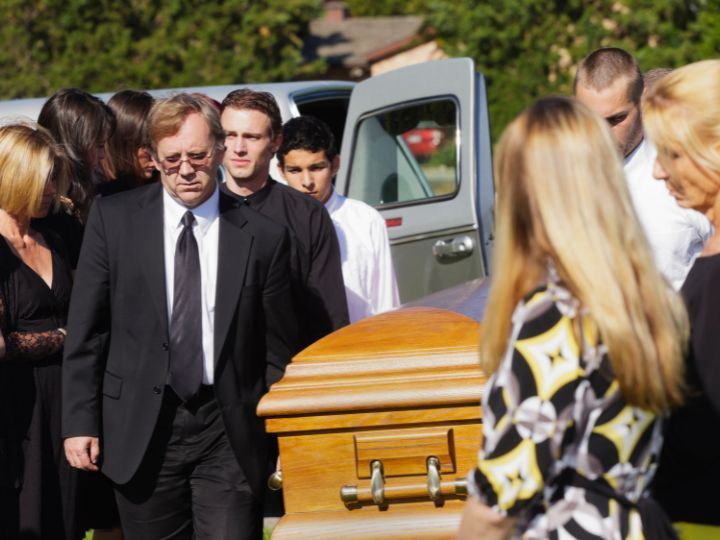
Following the service, a funeral procession transports the casket and guests from the service venue to the cemetery or burial site. The procession is an important part of the traditional funeral experience — a visible and moving tribute as the community accompanies the deceased on their final journey.
Step 6: Graveside or Committal Service
The graveside service is typically held immediately after the funeral. It's often brief and intimate, bringing the closest family members and friends together one last time for final words, prayers, or a moment of silence before the burial. Some families choose to hold the graveside service as a standalone, smaller gathering rather than as part of a larger service.
Why Traditional Funeral Services Still Matter in California
California is one of the most culturally and ethnically diverse states in the country — and that diversity is reflected in how families choose to honor their loved ones. While cremation rates in California have risen steadily over the past decade, traditional funeral services remain deeply meaningful and widely practiced, particularly among communities with strong religious, cultural, or family traditions that call for burial.
For many California families, especially in the greater Los Angeles and Long Beach areas, a traditional funeral is more than a formality. It's a communal experience — a time to bring together extended family, friends, coworkers, and community members who all need the opportunity to grieve and remember together. The physical presence of the body during visitation and the structured ceremony of the service offer a sense of closure that many families feel cremation services alone don't always provide.
How Long Does a Traditional Funeral Take?
The timeline from death to burial typically spans three to five days, though this can vary depending on family needs, permits, and logistics. Here's a general breakdown:
Day 1–2: First call, arrangement conference, preparation of the deceased, and ordering of flowers, programs, and other service materials.
Day 2–3: Visitation or viewing, usually in the evening for one to two hours.
Day 3–4: Funeral service, processional, and graveside service.
This window gives out-of-town family members time to travel, allows the funeral home to complete preparations carefully, and gives the family space to grieve without feeling rushed.
How Much Does a Traditional Funeral Cost in California?
Costs vary depending on the funeral home, casket selection, cemetery fees, and any add-on services. In California, a traditional funeral with burial typically ranges from $8,000 to $15,000 or more when all expenses — including the cemetery plot, opening and closing fees, and monument — are factored in. The funeral home's direct charges (professional services, facilities, preparation, and transportation) are separate from cemetery and third-party costs.
Under the FTC Funeral Rule, every licensed funeral home in California is required to provide an itemized General Price List so families can make informed decisions. Don't hesitate to ask questions — a reputable funeral home will always be transparent about pricing and help you find options that fit your budget without compromising on dignity or care.
Personalizing a Traditional Funeral
One of the most common misconceptions is that a traditional funeral has to feel stiff or generic. It doesn't. Families can personalize nearly every element — the music played during the service, the readings chosen, the casket selected, the flowers displayed, even photo tributes or video montages that celebrate the life lived. The goal is always a service that feels true to the person being honored.
Finding the Right Funeral Home in California
Planning a traditional funeral starts with finding a team you trust. Destiny Funeral Home & Crematory in Long Beach, CA, has built a reputation for guiding families through this process with compassion, patience, and personalized care — helping each family design a service that honors their loved one in a way that feels both meaningful and uniquely theirs. Whether you're arranging a service now or planning ahead for the future, having a caring team by your side makes all the difference.
You Don't Have to Figure This Out Alone
A traditional funeral service is one of the most meaningful things you can offer the people you love — a proper farewell, a chance to gather, and a beginning to the healing process. If you have questions about what to expect, what's required, or how to get started, reach out to a funeral home in your area. The right team will walk you through every step, at whatever pace your family needs.